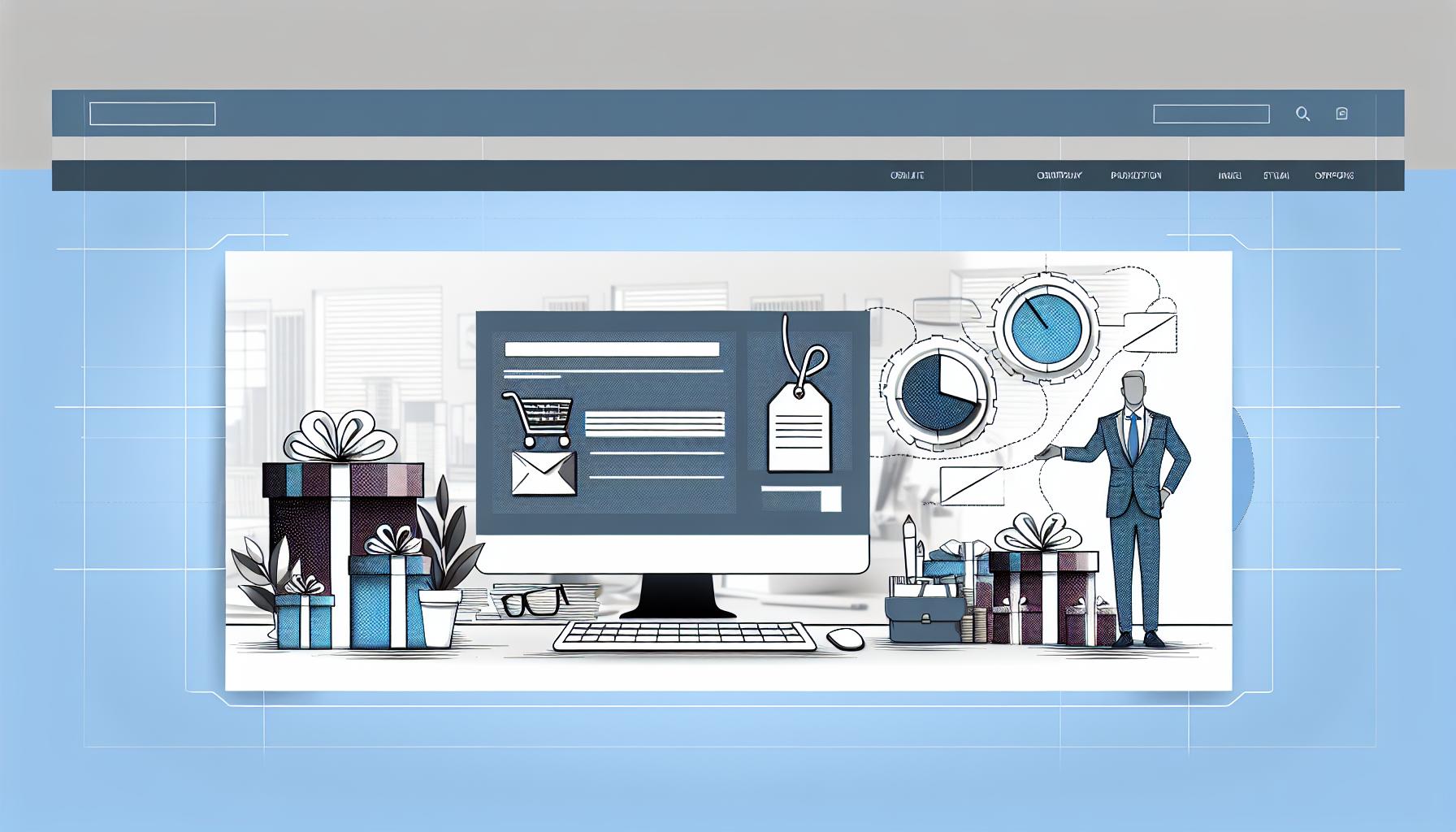
Gift Data Analysis and Benefit Evaluation: Key Strategies to Enhance Marketing Return on Investment
In today's data-driven business environment, gift marketing has evolved beyond simple giveaways into a significant tool for maximizing brand value through precise data analysis and benefit evaluation. For data analysts and market research professionals, mastering the core methodologies of gift data analysis and ROI analysis techniques can effectively enhance the scientific rigor of marketing strategies and the quality of decision-making.
1. The Core Value of Gift Data Analysis
Gift data analysis involves the systematic collection and interpretation of various data points related to gifts, including customer behavior, sales feedback, usage frequency, and brand interaction, to gain insights into the actual impact of gift campaigns. This data helps businesses understand whether the gifts are achieving their intended objectives, such as increasing customer loyalty, expanding the new customer base, or enhancing brand awareness.
Specifically, data analysts can utilize tools like Excel, Google Analytics, and Power BI to visualize data and conduct multi-dimensional assessments from perspectives like sales growth, engagement levels, and customer feedback, ensuring that gift strategies are highly aligned with market demands.
2. Practical Operations for Benefit Evaluation and ROI Analysis
Benefit evaluation is crucial for measuring the effectiveness of gift marketing campaigns, with Return on Investment (ROI) calculation directly reflecting the efficiency of marketing budget utilization. ROI analysis typically encompasses the following steps:
- Clearly calculate the total cost of the gift campaign, including product cost, design, packaging, logistics, and labor expenses.
- Quantify the direct and indirect benefits generated by the campaign, such as increased sales revenue, new customer acquisition, customer repurchase rate, and growth in brand awareness.
- Utilize attribution models (e.g., first-touch, last-touch, or linear attribution) to accurately allocate revenue and avoid data confusion.
- Establish dynamic dashboards for real-time monitoring of key metrics, enabling rapid strategy adjustments.
For example, if the investment cost for a batch of customized stainless steel insulated cups is 150,000 NTD, and analysis reveals high usage frequency driving customer repurchases, one can calculate the cost per use and evaluate the overall benefit, thereby optimizing future gift selection and budget allocation.
3. Data-Driven Optimization of Gift Strategies
Data analysis is not only used for post-campaign evaluation but also serves as a forward-looking tool for formulating gift strategies. Analysts should segment customers into different groups and precisely match gift types and designs based on industry characteristics, budget ranges, cultural preferences, and other indicators. For instance, clients in the financial industry often prefer professional and practical gifts, while the cultural sector requires avoiding sensitive elements.
Furthermore, continuously collecting customer feedback after gift distribution (via surveys, social media interaction data, etc.) and tracking subsequent conversion rates for cooperation and brand mention levels creates a closed-loop management system for the strategy. When certain gifts receive poor feedback within specific customer segments, timely adjustments should be made to ensure maximum return on resource investment.
4. Key Metrics and Recommended Practical Tools
Through the following key metrics, data analysts can gain a more comprehensive understanding of gift campaign effectiveness:
- Sales Trend Analysis: Compare changes in sales revenue and average transaction value before and after gift distribution to assess direct performance improvement.
- Customer Engagement: Includes social media interactions, survey response rates, and event participation numbers.
- Repurchase Rate and Loyalty: Analyze the repurchase frequency and referral likelihood of customers who received gifts.
- Changes in Brand Awareness: Evaluate the impact of gifts on brand image through brand surveys or social listening analysis.
Commonly used data analysis tools include Google Analytics, Tableau, Power BI, and specialized market research platforms. These tools can integrate multi-channel data, enhancing analysis accuracy and efficiency.
Conclusion
Gift data analysis and benefit evaluation are critical components for businesses aiming to improve marketing return on investment. Through systematic data collection, scientific ROI analysis, and continuous strategy optimization, companies can not only accurately gauge the effectiveness of gift marketing but also adapt their strategies in response to market and customer demands, thereby maximizing brand value. Data analysts and market researchers should prioritize the various data metrics within gift campaigns and leverage modern analytical tools to help their companies stand out in a highly competitive landscape.