


+REgent Gifts 匯浚禮品


💡 Quick Summary (TL;DR):
On a custom-gift order, printing a logo usually comes down to screen printing, pad printing, offset printing or UV printing. Flat pieces with few colors, where you want a thick ink film, are a screen job. A thermos and other curves need the silicone pad. Photographs and gradients go to four-color offset when the item is flat, and to UV when it is a hard object; the lamp cures the ink on the spot. If the brand color has to match, send a Pantone number. That is a color standard, not another printing method.
Screen printing, also called silk screen, is what we use most often when a custom gift needs a logo. A squeegee forces ink through the open mesh onto the product. Everything outside the logo is blocked, so ink only passes where the artwork is.
The ink film is thick and the color sits solid. A simple logo or a large block of color, a company name with a line under it, a one-color mark, usually looks cleaner this way than a full-color attempt.
Only one color is printed at a time. The next color waits until the first is done, so the job takes longer. The part that actually causes reprints is registration: each color means lining the screen up again. Two or three colors are usually manageable. At six or seven, if the seventh color lands off, the piece often has to be printed again from the first color. Gradients are not something screen printing does well.
That is why we generally suggest staying with 1-2 colors where possible. The result is better.
Fairly flat items such as USB drives and travel adapters are typical screen jobs.

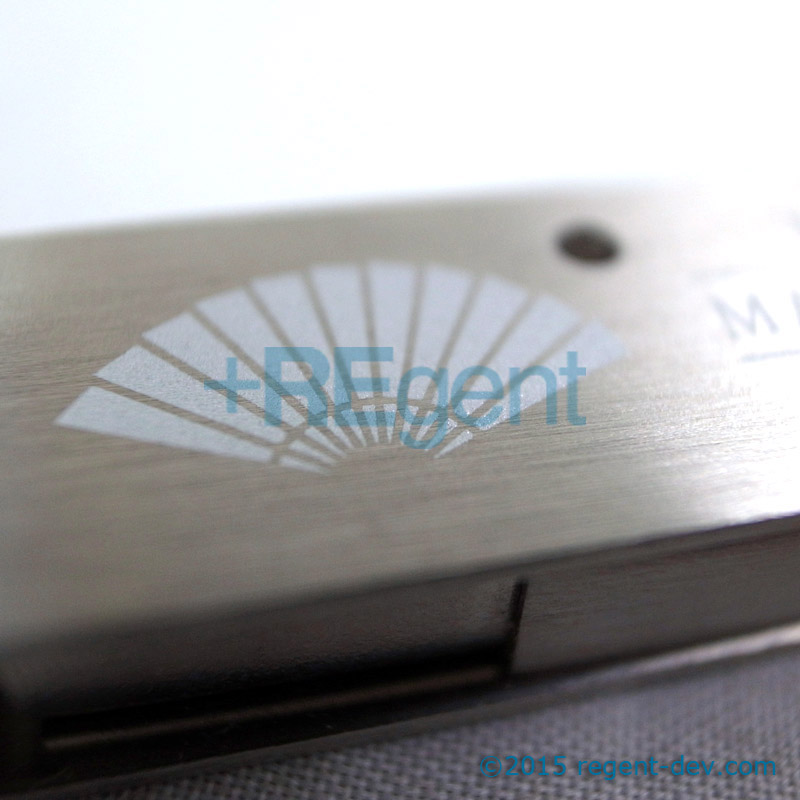
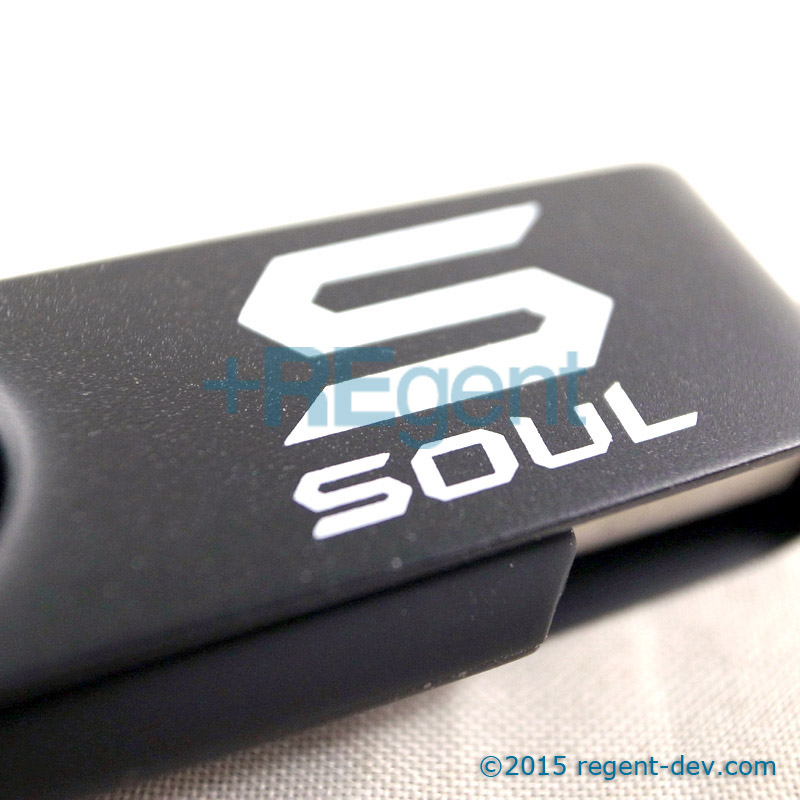
Pad printing is the accurate option when the surface is not flat. The pad is silicone, shaped like a hemisphere. It picks ink off a steel plate and presses it onto the product. The silicone flexes with the curve, so the artwork is less likely to stretch and the position stays truer.
Thermos cups, travel adapters, USB drives and other curved gifts usually go to pad printing. Forcing a flat screen onto that curve is how logos end up distorted.
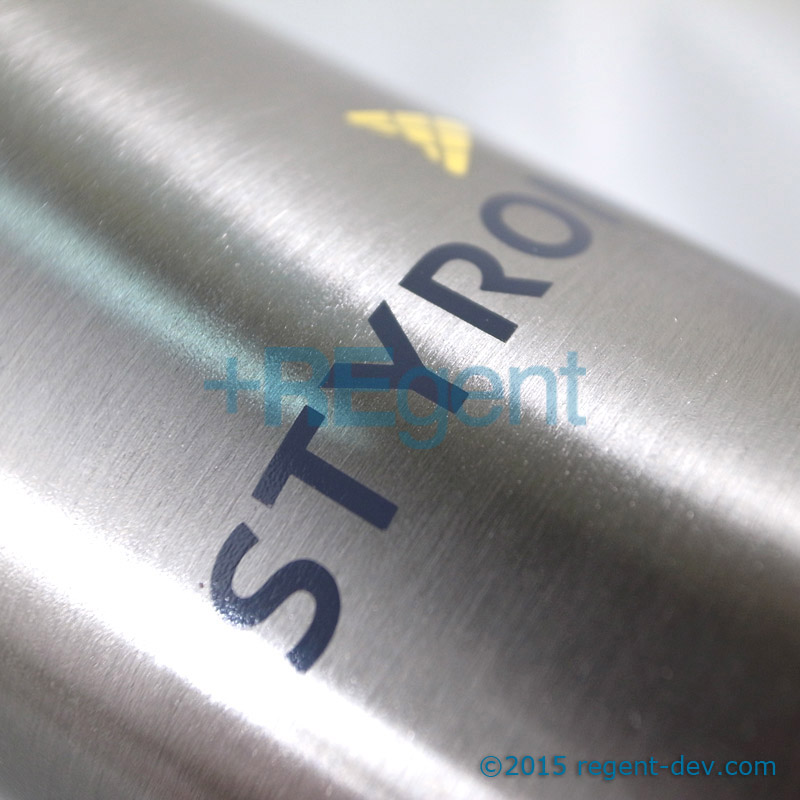
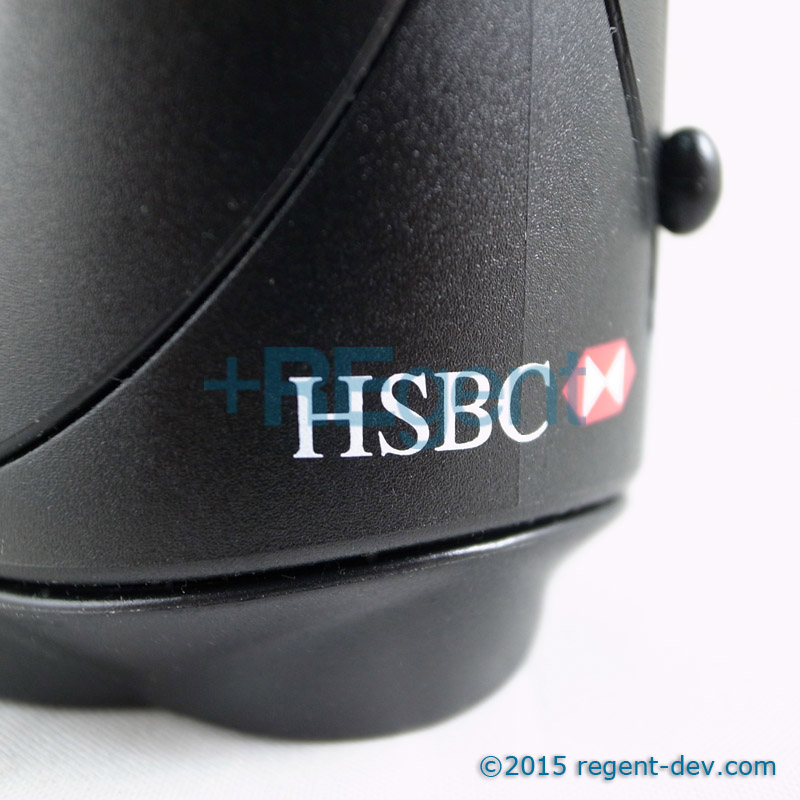
Offset printing builds on a white ground, often the product itself, from cyan (C), magenta (M), yellow (Y) and black (K). Dot density sets how light or dark each layer is. Stack the four and they make up the range of colors. The result is vivid, and fine full-color artwork is possible.
It suits conventional printed items, card-type USB drives, mouse pads, coasters and other flat pieces that need color printing. A hard curved object that needs full color will not take offset. That is a UV job, covered next.

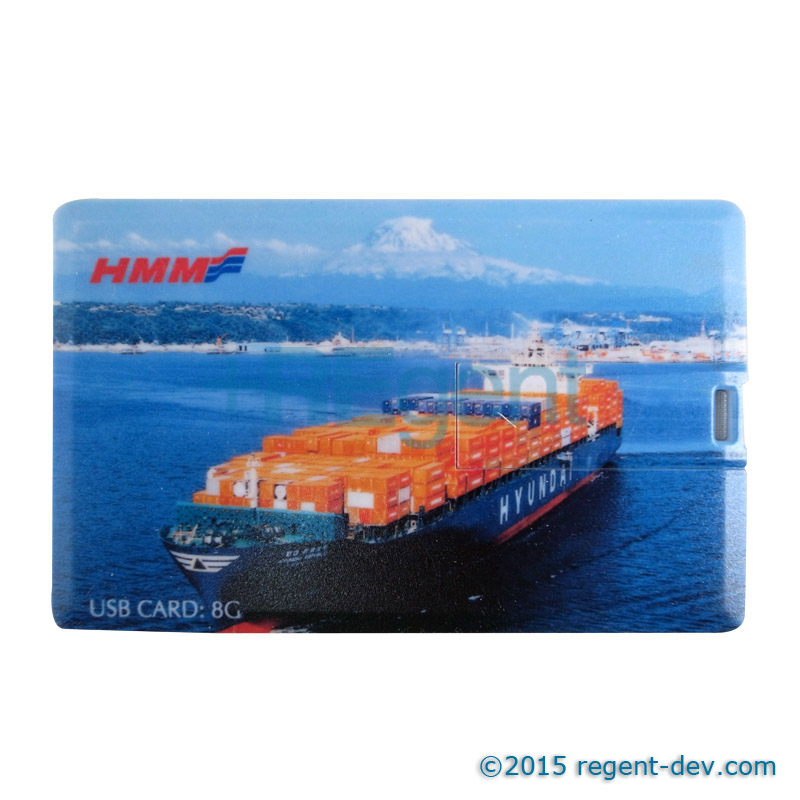
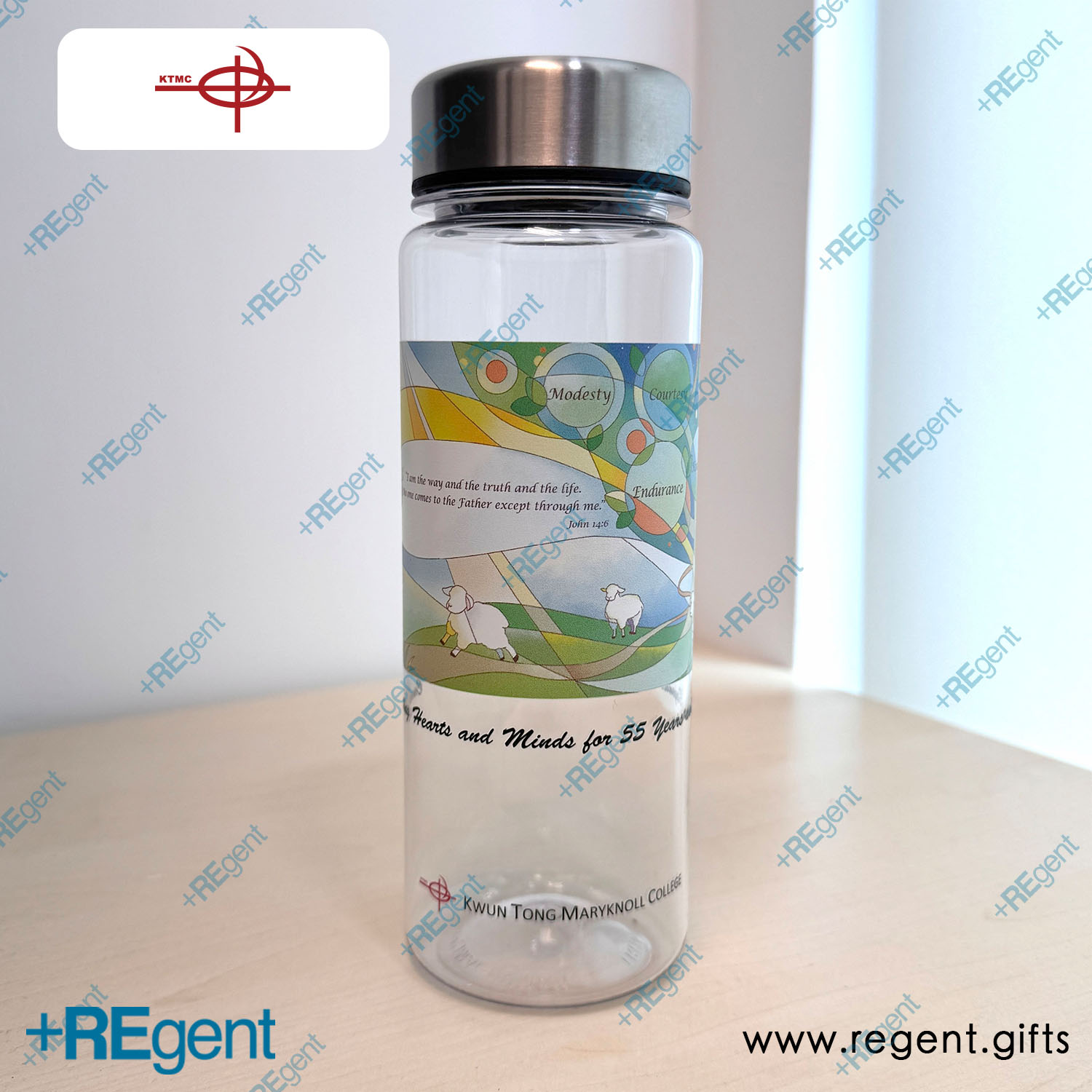
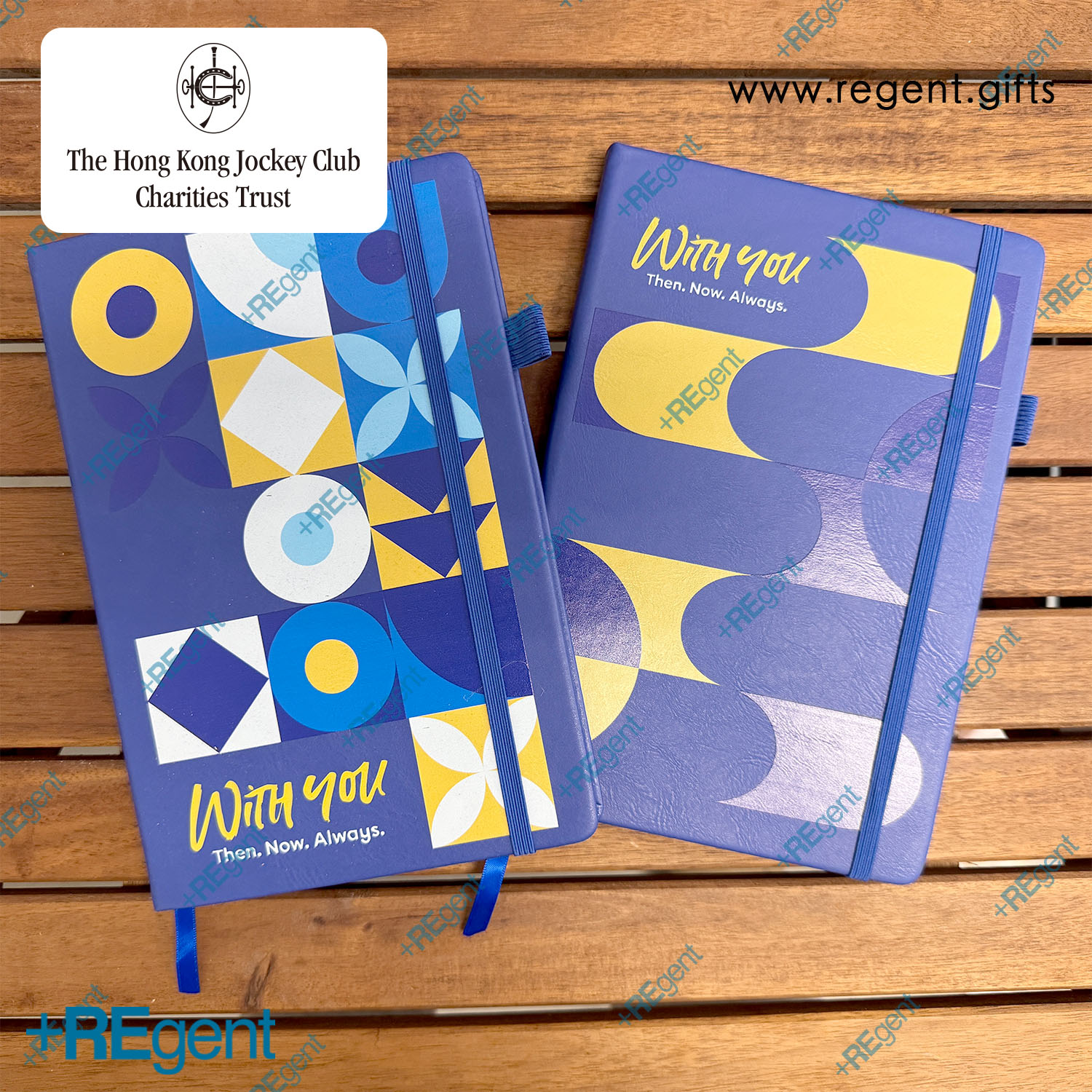
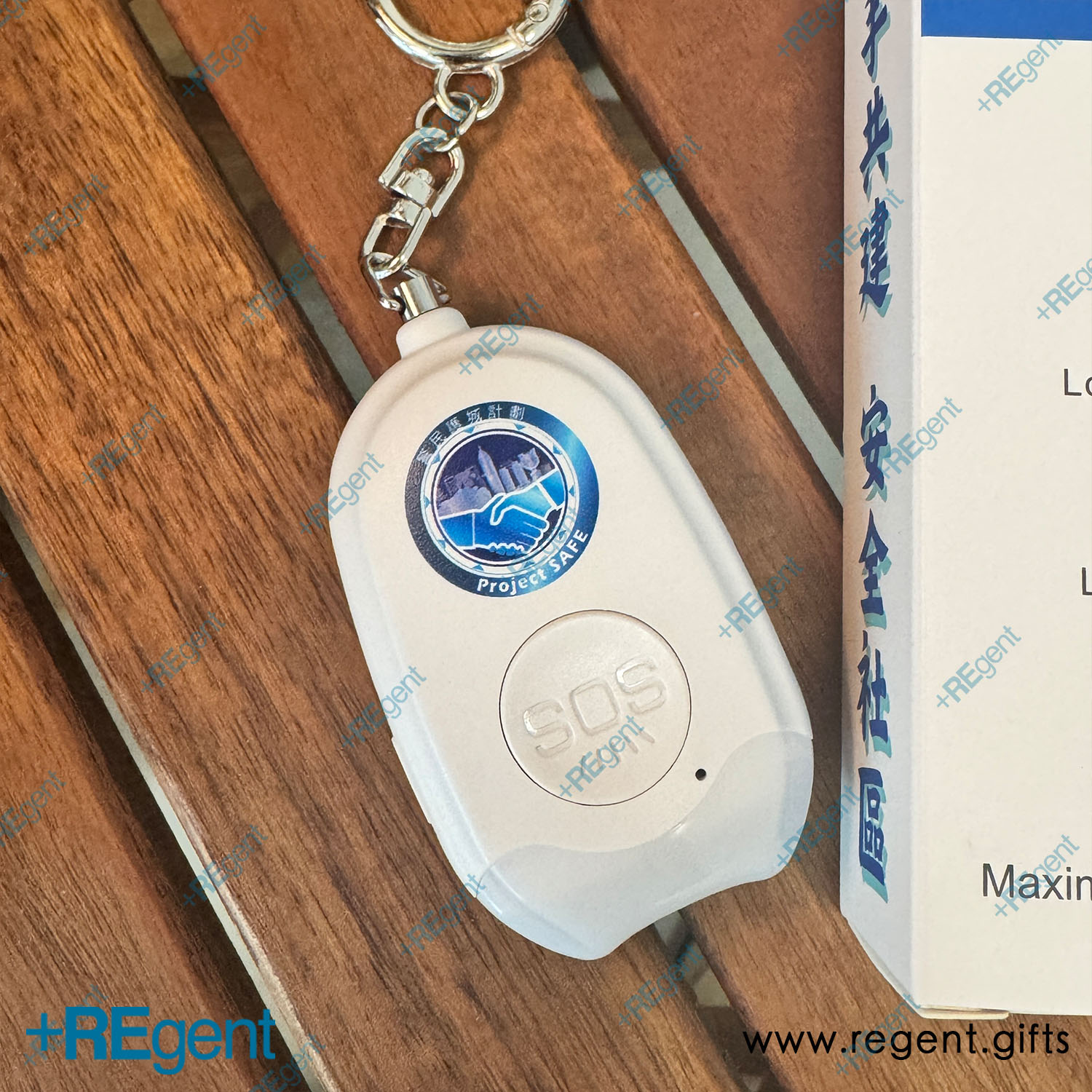
UV printing uses ink that cures under ultraviolet light. The head sprays the ink straight onto the product and a UV lamp cures it at once. There is no wait for the ink to dry on its own, and no screen to make.
It suits hard items that are flat or only slightly curved: plastic, metal, glass, wood, acrylic, leather, phone cases and USB drives. Soft fabric, deep curves and large curved areas are a poor fit. The ink does not land evenly, and once cured it can crack on a tight bend.
Full color, gradients and near-photographic images are all possible. With no screen, short runs and several designs in one order are easier than screen printing. The ink sits slightly raised. On dark materials a white underbase goes down first, so the base color does not swallow the artwork.
How well it stands up to rubbing depends on the material and on whether a varnish is added. Not every UV print is equally scratch-resistant. Full-color school badges and souvenirs carrying the school logo are a regular UV job.
A school crest worn on a uniform is a metal lapel pin. See 金屬襟章訂製. Full-colour flat printing stays with the UV process above.
If a metal gift only needs single-color lettering and no ink layer, laser engraving is the other option. It is not given its own section here.
UV printing examples

When people say Pantone they mean the Pantone Matching System (PMS). It is an international set of color numbers, used across industries to match a color. It is not a printing method. A Pantone number from a print job can be handed to screen printing as well. Factories in different places read the same system.
Screen-printed logos on USB drives and travel adapters can be matched to a Pantone number, which narrows the gap between the color on a monitor and the color on the object. On a custom gift, following the brand color usually means quoting that number, not picking an extra print method.
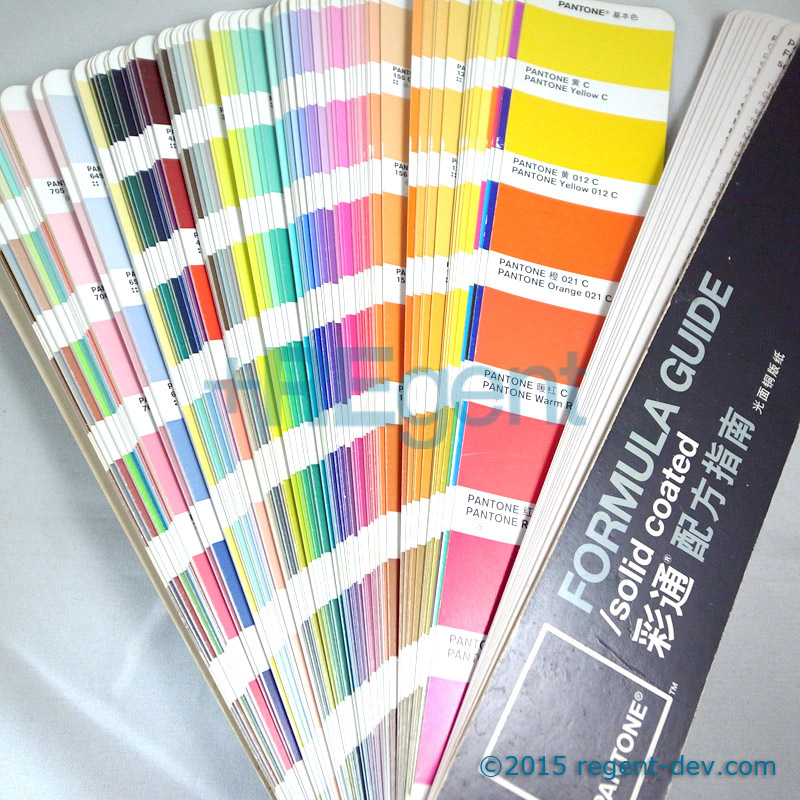
The table compares four printing methods only. Pantone (PMS) is a color-matching standard, not a printing method. Once the method is chosen, the brand color is specified with a separate number.
| Method | Suitable surfaces | Color and gradients | Run that tends to fit | Strengths and limits |
|---|---|---|---|---|
| Screen printing | Fairly flat hard goods, such as USB drives and travel adapters | Solid color. 1-2 colors are the most reliable; gradients are not practical | One design, in a larger quantity | Thick ink, solid color. Extra colors risk misregistration; 6-7 colors is where reprints start |
| Pad printing | Thermos cups, uneven surfaces, curves | Solid logos. Not for large photographic images | Curved products with few colors | Follows the curve and holds position. Large full-color areas are not its job |
| Four-color offset | Flat items: print, card USBs, mouse pads, coasters | Cyan, magenta, yellow and black dots build full color and gradients | Flat full-color work where the quantity is not tiny | Fine detail and color range. It will not print on a solid object or a deep curve |
| UV printing | Hard, flat or slightly curved plastic, metal, glass, wood, acrylic, leather, phone cases | Full color, gradients and photos; dark grounds can take a white underbase | Short runs and several designs | No screen, slightly raised ink. Soft fabric, deep bends and large curves are unsuitable; abrasion resistance depends on the material and any varnish |
What are the advantages and limitations of screen printing (silkscreen)?
The advantages of screen printing are thick ink layers, vibrant colors, and durability, making it ideal for 1-2 color logos. Limitations include difficulty with multi-color alignment and inability to produce gradient effects.
Why is pad printing usually used for curved surfaces like thermos cups?
Pad printing uses a highly flexible silicone pad that acts like a stamp, conforming to irregular, concave, or convex surfaces to ensure precise, undistorted logo placement.
How to ensure accurate brand color matching for custom gifts?
The industry standard is to provide Pantone Matching System (PMS) color codes. This universal color standard eliminates visual discrepancies between different monitors and printers, ensuring brand consistency.
Which materials suit UV printing?
UV printing suits harder items with a flat or only slightly curved surface, such as plastic, metal, glass, wood, acrylic, leather, phone cases and USB drives. Soft fabric, deep curves and large curved areas are not suitable.
Can dark products be UV printed?
Yes. On a dark material a white ink layer can go down first, with the color printed over it, so the base color does not swallow the artwork. How well it resists rubbing still depends on the material and on whether a varnish is added.


